The operating room,
one step ahead.

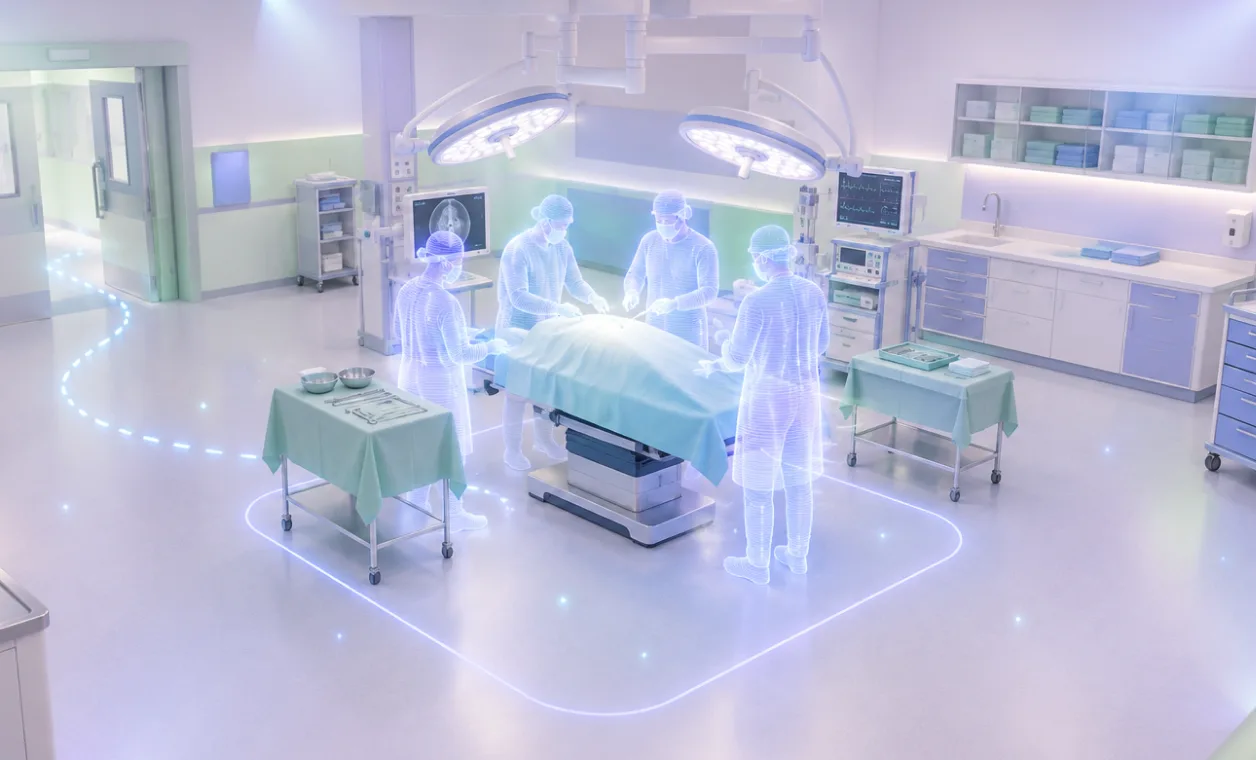
Ambient OR intelligence. Room sensors and on-site AI recognize every phase of surgery, notify the next team before they are called and document the case automatically.

LIVE · OR 3 · 10:42:18
Live phaseImplant trial · 4 of 7
Next team notifiedClosure in ~7 min · PACU ready
Case record14 events logged automatically

Smarter.   Safer.   More efficient.

Designed by an orthopedic surgeon, for orthopedic surgery.

How it works

A room that works
one step ahead.

01 / 04
OR 3 · Room setup5 people tracked · 0 faces stored
OR 3 · Phase 6 of 7Implant → Closure
Next team notifiedClosure in ~7 minPACU paged by SMS · 10:35:12
Case record · OR 3
  • Implant trial started
  • Instrument count complete
  • PACU notified
  • Closure started
Turnover · this weekOR 3 cleaning is the longest segment
01 · Observe

Room sensors read the whole room.

Room sensors map people, equipment and zones in real time. Ambisera reads movement and flow, never faces.

5 people tracked · 0 faces stored

02 · Notify

The next team hears before it is called.

Ambisera recognizes the phase and pages recovery, the implant rep or cleaning at exactly the right moment.

Closure in ~7 min · PACU notified

03 · Document

The record writes itself.

Every phase, count and handoff is time stamped as it happens, so the case record builds itself with no typing.

14 events logged · zero manual entry

04 · Improve

Every case makes the next one faster.

Phase and turnover data roll up across rooms, so leaders see exactly where minutes are lost.

OR 3 cleaning flagged as the longest segment

Meet the intelligence
behind the room.

Today the OR runs on memory, phone calls and month-end reports. Ambisera reads every phase, anticipates the next step and builds the record while the team stays on the patient.

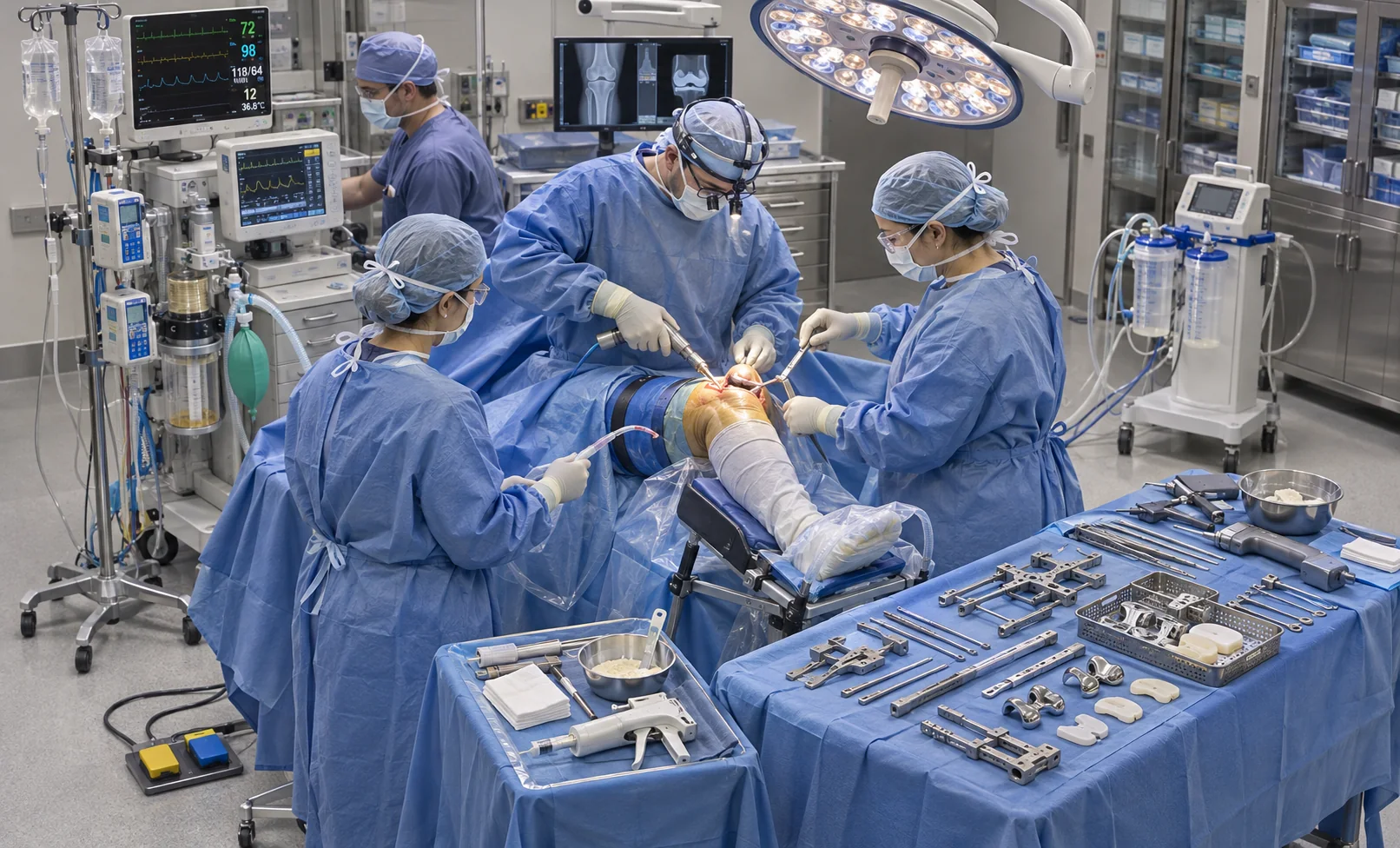
Orthopedic surgical team at work in a busy operating room

Without Ambisera

The OR is reactive.

  • Phase changes go unseen, so the next team is called late and the room sits waiting.
  • Timestamps and events are reconstructed by hand, often after the fact, so the data is inaccurate.
  • Staff chase the next tray and the next room by phone. Slow turnovers stay invisible until month-end.
A proactive operating room with Ambisera

With Ambisera

The room is proactive.

  • Shares live phase status with every team, so the room never waits on a phone call.
  • Recognizes each phase and notifies the right people at the right moment.
  • Builds an accurate, time-stamped case record automatically.
Phase 5 of 7 · ImplantOR 5 · Closure team notified · ~7 min

Phase recognition and next-step anticipation.

Learns each surgeon’s and team’s workflow, notifies the right role before the next step and sets the room up to each surgeon’s preferences, every time.

Automatic, time-stamped documentation.

Captures critical case events without manual entry, ready for the record. EHR integration planned.

Patient safety, on the roadmap. Coming later

Sterile-field monitoring is the next chapter of Ambisera: alerting the team the moment the field may be compromised. In development, not yet available.

Runs on-siteNo deep IT projectHospitals and surgery centers

The first OR intelligence built
to anticipate, not react.

One calm view for the OR coordinator. Every room, every phase, and the next step before it is called.

Interactive demo · drag any timeline to replay the case
AmbiseraOR Command
2 rooms liveThu 10:42

    Concept demo with sample data. Live demo available on request.

    Automatic case record.

    Time-stamped phases and events captured without anyone documenting them by hand.

    Turnover tracking.

    Turnover broken into segments so leaders see exactly where time is lost.

    Turnover segments

    Live team notifications.

    The right team member is notified before the next step, by SMS, pager or the OR wall display.

    OR wall display. Coming soon

    A touchscreen on the OR wall showing case progress, item counts, what to get ready next and room setup per surgeon.

    Every OR minute
    has a price.

    Delays, slow turnovers and complications cost hospitals and surgery centers far more than they can see. Ambisera makes that time visible and gives it back.

    $37

    per minute of operating room time.

    Source: Childers & Maggard, JAMA Surgery, 2018

    Page open 0:48 = $29.60 of OR time

    $1.85B

    projected annual US hospital cost of hip and knee prosthetic joint infection by 2030.

    Source: Premkumar et al., Journal of Arthroplasty, 2021

    $20B+

    estimated annual US spending on joint replacement surgery, between $20B and $25B.

    Source: Blue Cross Blue Shield, bcbs.com

    How Ambisera
    recovers it.

    • Recovers OR minutes through faster turnover and fewer delays.
    • Keeps every team in sync, so no one waits on a phone call.
    • Returns hours to clinicians by documenting the case automatically.
    • Gives accurate data on every step to measure efficiency, reduce technique variation and train teams faster.

    Built to understand the room.
    Never to identify the people in it.

    Ambient sensing only works when every clinician trusts it. Privacy is part of the architecture, not a setting.

    Designed to meet HIPAA requirementsBusiness Associate Agreement with every siteSOC 2 Type 1 and 2 on the roadmap

    No facial recognition.

    Ambisera captures the workflow of the room: surgical phases, movement, item counts and key events. It never identifies patients or staff.

    Processed on-site.

    Video is processed on edge computers inside the facility. Raw video never leaves the building.

    Your data, your control.

    The hospital or surgery center owns and controls its data. Ambisera processes de-identified data under a Business Associate Agreement.

    Secure by design.

    De-identified data is analysed in a cloud environment designed to meet HIPAA requirements, so the platform keeps improving.

    Built for every
    role in the room.

    Ambisera supports the team with timely information and alerts. Every clinical decision stays with the clinicians.

    Surgeon at the operating table
    6/7
    Phase 6 of 7 · OR 3

    Next step ready

    Closure team on standby · ~7 min
    Surgeons

    The team is ready for the next step before it is called, with fewer delays and an objective record of every case.

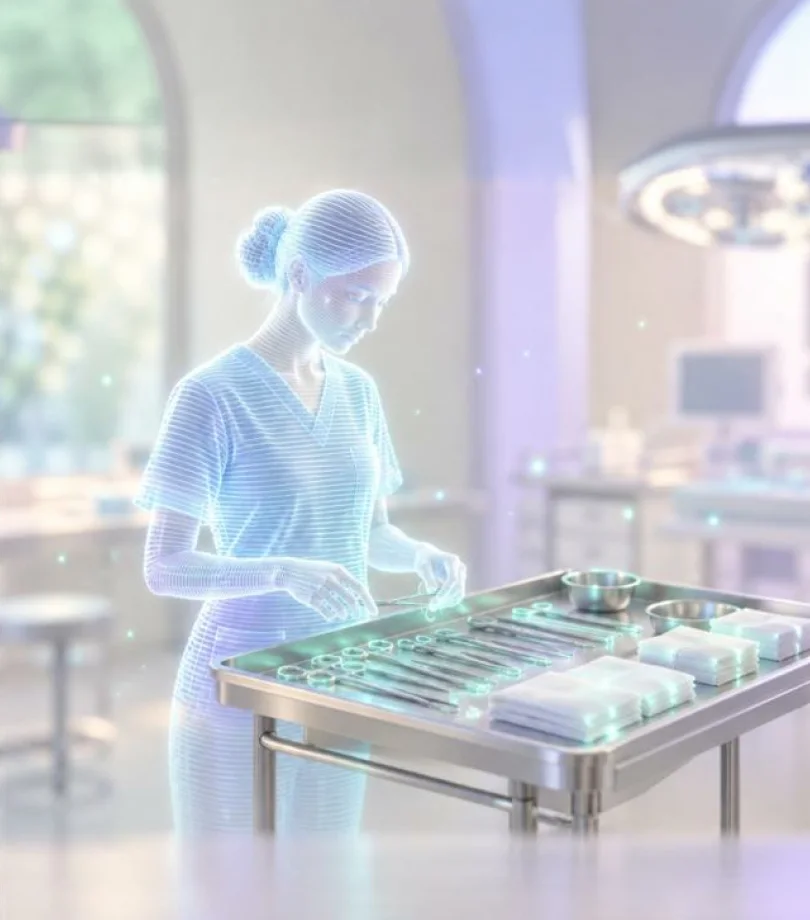
    Scrub nurse at the instrument tray
    48
    Instrument count · live

    Count complete

    48 of 48 · record built automatically

    Nurses and OR staff

    Less documenting and chasing, help with counts and more time focused on the patient.

    Surgical floor overview
    Turnover · this week

    OR 3 needs a look

    Cleaning is the longest segment

    Hospital and surgery center leaders

    Faster turnover, more cases per room, fewer costly complications and clear visibility into where OR time is lost.

    Questions,
    answered.

    Something we have not covered? Write to the founding team directly.

    No facial recognition. It tracks the workflow of the room (phases, movement, counts and events), not the identity of the people in it, and video is processed on-site.

    No. Ambisera supports the team with timely information and alerts. Every clinical decision stays with the clinicians.

    No. Ambisera runs on-site, without a deep IT project.

    Ambisera is designed by an orthopedic surgeon, for orthopedic surgery, starting where the founding team knows the workflow best.

    Yes. We are selecting our first hospital and surgery center pilot sites now. Write to info@ambisera.com to apply.

    Let’s build the future of
    surgical intelligence, together.

    The proactive operating room, where problems are prevented instead of managed, and every team works one step ahead.

    © 2026 Ambisera Health Technologies

    Privacy policy    Terms of use